What to Know Before Hiring Grease Trap Cleaning Professionals
Grease traps are essential components for any commercial kitchen, ensuring that fats, oils, and greases (FOG) are effectively separated and kept out of the plumbing system. Hiring professionals for cleaning and maintenance is crucial to ensure efficiency and compliance with local regulations. This article explores key factors you need to consider before engaging grease trap cleaning services. Grease traps are mandated by most health departments as they prevent sewer system congestion. By keeping grease and other food-related waste materials out of the water drainage system, they contribute to a more environmentally sustainable kitchen operation.
Understanding Grease Traps and Their Purpose
What is a Grease Trap?
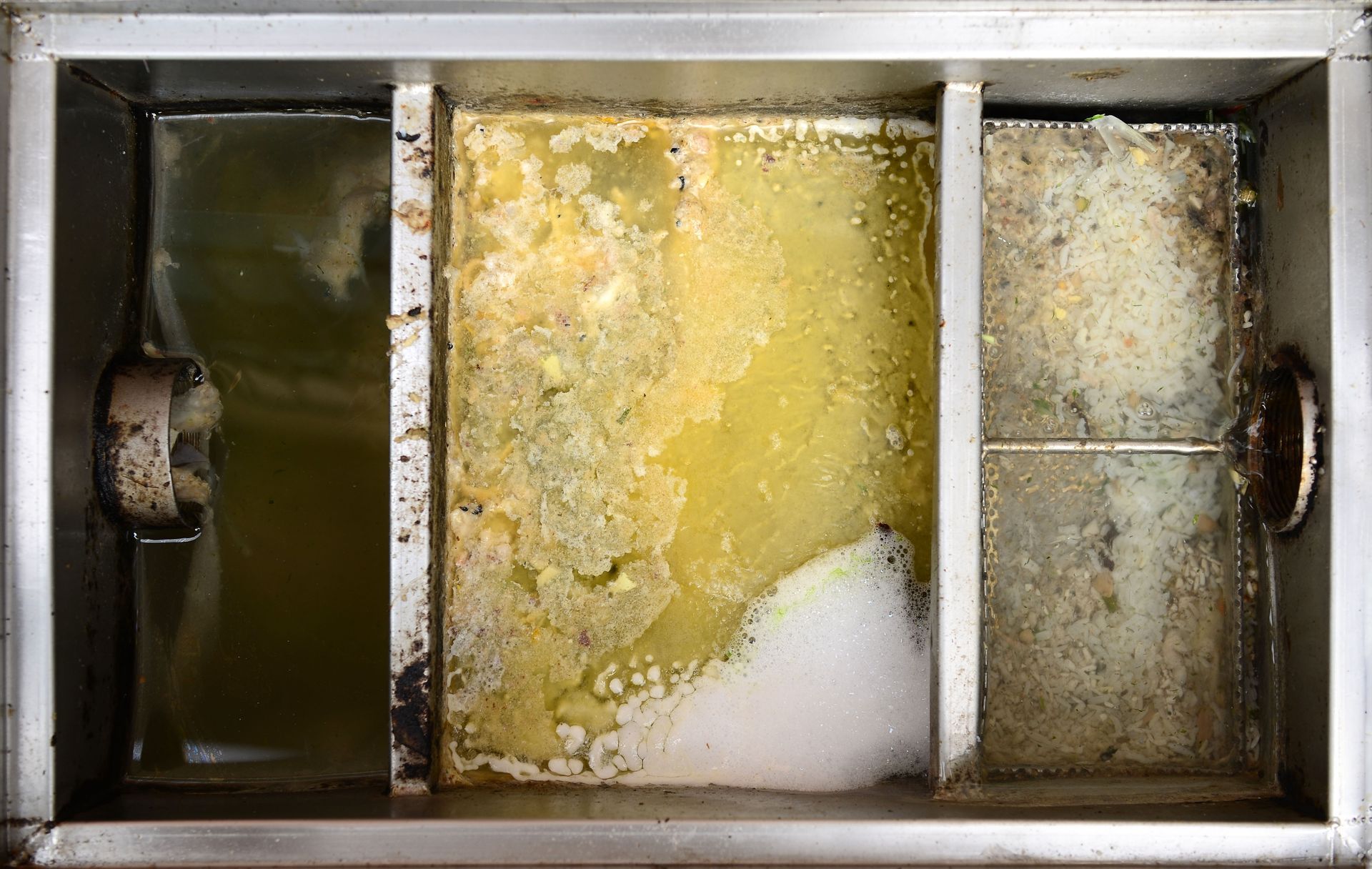
A grease trap is a plumbing device designed to intercept most greases and solids before they enter a wastewater disposal system. Typically, they are used in commercial kitchens and food processing establishments to manage and control the outflow of greasy wastewater. A grease trap functions through gravity; wastewater flow slows down, allowing the lighter fats, oils, and greases to rise to the top while the wastewater can exit through the bottom. According to Popular Science, restaurant grease traps can store up to 225 pounds of used grease, showcasing the critical role they play in handling significant amounts of waste. Without these devices, oils and grease could congeal within pipes, leading to clogs and severe blockages.
The Importance of Regular Maintenance
Regular maintenance of grease traps is essential to prevent blockages and the occurrence of unpleasant odors that can permeate your establishment. When grease traps are not cleaned routinely, they can become overfilled and may result in kitchen downtime due to plumbing issues. Regular cleaning ensures the longevity of the traps, reducing the need for frequent replacements and expensive overhauls. A well-maintained grease trap will also comply with local health and safety regulations, avoiding fines or penalties. Furthermore, it minimizes the risk of attracting pests, such as rodents and insects, which thrive in greasy environments.
Legal Requirements and Compliance
Compliance with local laws and regulations regarding grease trap maintenance is a fundamental aspect of running a commercial kitchen. Many municipalities require grease traps to be emptied at a regulated frequency to avoid sewer contamination that can affect public health. Failure to comply with these regulations can result in hefty fines and could potentially lead to your establishment being shut down. Regular inspections are often necessary to ensure conformity with these local guidelines. Compliance not only safeguards the reputation of your establishment but also contributes positively to the broader community by reducing environmental pollution.
Types of Grease Traps
Several types of grease traps are available, including passive hydromechanical grease interceptors (HGI), gravity grease interceptors (GGI), and automatic grease recovery units (GRU). Each type offers specific advantages depending on kitchen size, usage, and space availability. Passive HGIs are ideally suited for smaller establishments with limited space, while GGIs are larger and often installed underground for high-volume operations. GRUs, on the other hand, offer the convenience of self-cleaning by removing separated grease automatically. Understanding these options helps operators choose the best system to meet their specific needs.
Evaluating Potential Service Providers
Checking Credentials and Certifications
When evaluating grease trap cleaning professionals, confirming their credentials is crucial to ensure they adhere to industry standards. Certifications provided by recognized institutions validate a provider's expertise in managing and maintaining grease traps. Beyond basic qualifications, understanding whether the professionals continually update their skills is essential in a field rife with technological innovations. Verifying that a company is licensed and insured protects your business from potential liability issues. These credentials provide assurance that the service provider follows safe, legal, and effective cleaning methods.
Experience and Expertise
Experience in the industry is a testament to a service provider's knowledge and ability to handle various situations efficiently. A seasoned company is more likely to have strategies for dealing with unique challenges specific to your type of establishment. Their expertise often translates to time savings and reduced disruption to your business operations. Moreover, experienced providers can offer insight into preventative solutions to minimize future issues. A strong portfolio of past projects or long-standing client relationships are indicators of a company's reliable repute and competence.
Customer Reviews and Reputation
Customer reviews and testimonials offer unfiltered insights into a service provider's efficiency and reliability. Platforms like Yelp, Google Reviews, and industry-specific forums can help gauge public perception and service quality. Analyzing these reviews provides a snapshot of what to expect in terms of punctuality, professionalism, and overall value. Positive feedback highlighting consistent customer satisfaction can significantly aid in the decision-making process. Additionally, pay attention to how companies handle negative feedback, which often indicates their commitment to client service and improvement.
Service Offerings and Specializations
Understanding the full range of services offered by grease trap cleaning companies is necessary to ensure comprehensive care. Some providers offer additional services like line cleaning or bio-remedial treatments, which can be beneficial for comprehensive maintenance. Certain companies may also specialize in eco-friendly practices or provide emergency services for urgent situations. Having a clear idea of the offered packages and their inclusions can simplify the selection process. Obtaining clarity on these points early avoids misunderstandings and ensures the chosen provider meets all your needs.
Cost Considerations and Budgeting
Understanding Pricing Models
Knowing how different companies structure their pricing is key to budget planning for grease trap services. Some providers offer flat-rate pricing, while others may charge based on the volume of waste removed or time spent on cleaning. It's also important to inquire whether disposal fees and any additional costs are included in the estimates provided. Transparency in pricing helps avoid unexpected expenses and enables more accurate financial forecasting. Understanding these variables helps you compare service offerings effectively while maximizing value for your investments.
What is Typically Included in the Service?
A typical grease trap cleaning service generally includes the removal of solid materials, thorough cleaning of the trap, and proper waste disposal. Comprehensive offerings extend to inspecting inlet and outlet pipes to ensure the entire system operates efficiently. Some companies may also provide additional allowances for urgent callouts, line jetting, or bacterial treatments. Before committing to a provider, ensure you fully understand what is included in their standard packages to prevent surprises later. Clarifying these service components beforehand promotes transparency and mutual understanding.
Hidden Costs and Fees
Hidden costs can unexpectedly inflate the total expense of your grease trap cleaning service. Costs such as travel fees, off-hours service charges, and waste disposal might not be immediately apparent. To avoid unexpected financial strain, customers ought to ask for complete pricing breakdowns with potential variable charges at the quote phase. Engaging in detailed discussions with the provider about any possible surcharge scenarios provides clear cost expectations. Transparent communication helps prevent financial grievances and ensures no unwelcome surprises when invoices arrive.
Comparing Quotes and Estimates
Obtaining multiple quotes from different service providers facilitates a comprehensive comparison for the best value proposition. While lower prices may seem attractive, ensure they don't compromise quality and thoroughness. High pricing might offer added service value or warranty, thus evaluating the cost-to-benefit ratio is critical. Listing pros and cons for each provider and service level can expedite the selection process. Ultimately, the focus should remain on selecting a service that balances affordability with quality to maintain optimal grease trap performance.
Hiring grease trap cleaning professionals entails a thorough evaluation of services, costs, compliance, and environmental impacts. By understanding these aspects, you can ensure that your kitchen's grease traps are maintained safely and effectively, preventing costly repairs and ensuring smooth operations. The right professional service provides peace of mind through reliable maintenance, allowing you to focus on other aspects of running your business. As trends and technology continue to advance, staying informed and adaptable ensures that your grease management practices remain optimal and compliant. This strategic approach sustains operational vitality while contributing to broader ecological well-being. Reach out to Mark's Reddi Rooter today to see how we can help you!

Share On: