How Do You Know It's Time for Your Restaurant's Grease Trap Cleaning?
Running a successful commercial kitchen requires managing a complex network of utility systems while maintaining high standards of cleanliness and safety. Among the various infrastructure components that keep an eatery operating smoothly, the wastewater filtration system plays a critical role in preventing major plumbing disruptions. Fats, oils, and grease from cooking processes easily enter drain lines during daily dishwashing and food preparation tasks. Without a reliable mechanism to capture these substances, sewer lines would quickly become choked with solid blockages, leading to severe disruptions. Ensuring the ongoing functionality of this interceptor mechanism is vital for any commercial establishment. Neglecting routine maintenance can result in serious health code infractions, operational downtime, and substantial repair expenses. Recognizing the indicators that your system requires immediate attention allows you to address the build-up before it impacts your daily business.
Detecting Foul Kitchen Odors
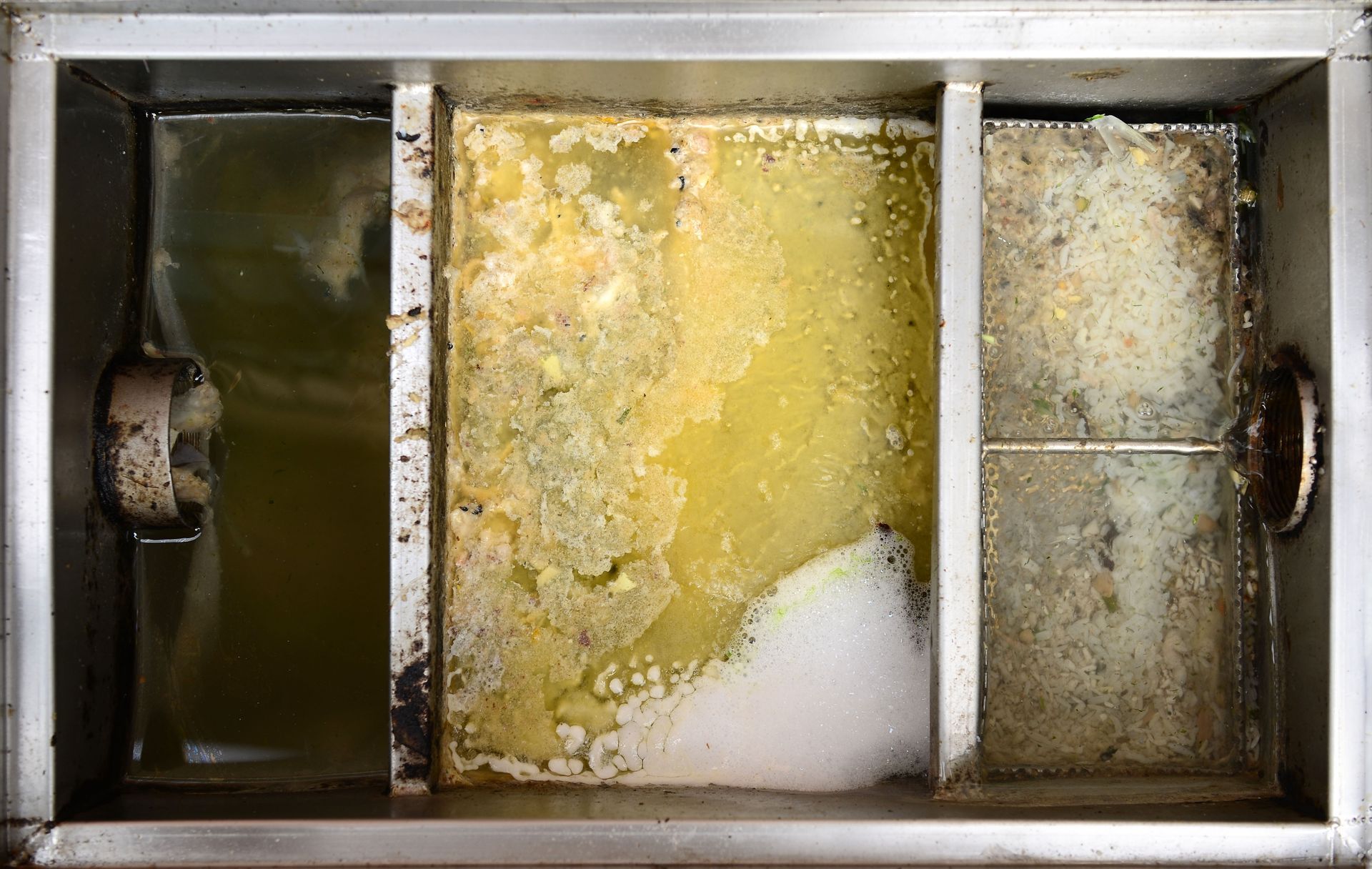
A primary indicator that your kitchen plumbing needs immediate attention is the emergence of a persistent, unpleasant smell wafting from the drains. As discarded food particles, fats, and oils accumulate inside the interceptor tank, they undergo a natural process of decomposition. This organic breakdown releases noxious gases that eventually travel backward through the drainage pipes and permeate the food preparation and dining spaces. The resulting stench is highly unappealing to customers and creates an uncomfortable working environment for your culinary staff. Routine grease trap cleaning prevents the accumulation of decomposing organic matter, eliminating the root cause of these foul aromas.
When an odor becomes noticeable throughout the facility, simply pouring bleach or hot water down the sink will not resolve the issue. These temporary measures fail to remove the thick layers of hardened sludge anchored to the bottom and sides of the interceptor tank. The smell will continue to intensify until a complete evacuation of the waste material is executed by professionals. Prioritizing regular grease trap cleaning ensures that these foul odors are neutralized before they can damage the reputation of your dining establishment. Maintaining a fresh, clean-smelling facility is essential for retaining customers and satisfying local health inspectors who evaluate your building.
Observing Slow Drainage Issues
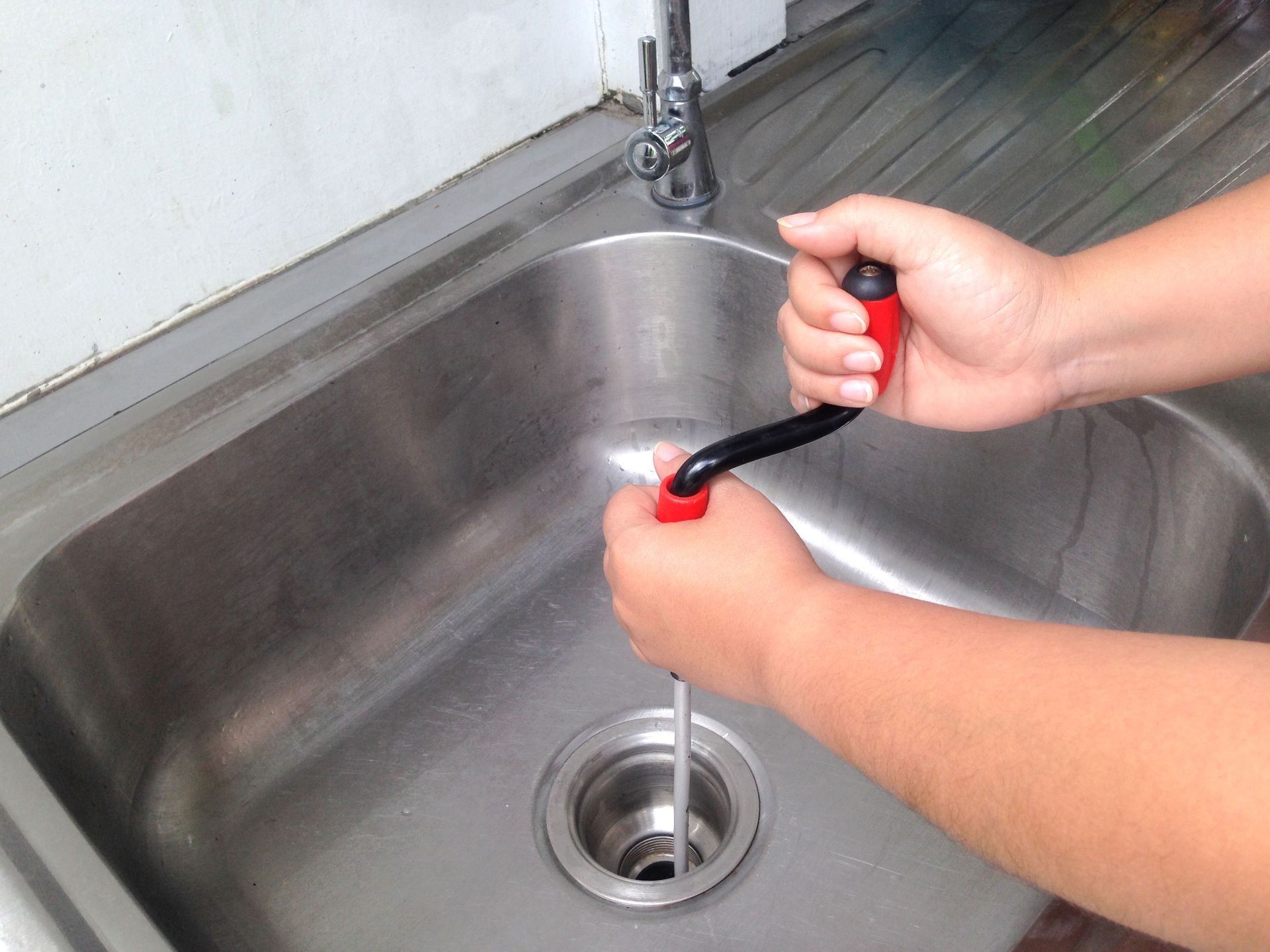
Wastewater should exit kitchen sinks rapidly, allowing staff to wash dishes and prep food items without experiencing standing water pools. When multiple sinks across the kitchen begin to drain sluggishly, it suggests that a major blockage has developed within the central interceptor pathway. As the collection tank fills, the layer of floating fats restricts the exit opening, forcing wastewater to fight its way through a narrowing aperture. This restriction slows the entire plumbing network down, creating substantial backlogs in the dishwashing station and hampering overall kitchen efficiency.
Sluggish drains are a progressive issue that will steadily worsen without professional intervention. Ignoring early signs of slow drainage can lead to a complete system standstill during a busy dinner service shift. When sinks become completely unusable, the kitchen must halt food preparation, resulting in lost revenue and frustrated clientele. Scheduling a professional grease trap cleaning clears out restrictive blockages, restoring full flow capacity to your drainage system. Addressing slow drains immediately preserves the operational pace of your business and prevents unexpected plumbing failures during peak operational hours.
Monitoring Waste Accumulation Levels
Facility managers must establish a reliable schedule for assessing the internal condition of their interceptor mechanisms. The thickness of the floating fat layer can be physically measured using specialized testing probes to determine the exact fill capacity of the tank. According to Mahoney Environmental, restaurant grease trap cleanings should be performed every one to three months. Adhering to this established industry standard prevents the mechanism from overflowing into municipal sewer lines, which can lead to severe fines and penalties. Regular monitoring allows you to track accumulation trends and adjust your service frequency to match the actual output volume of your kitchen.
The rate of accumulation depends on the type of cuisine served and the daily volume of customers your business accommodates. Deep-frying operations and heavy meat production facilities will naturally accumulate waste much faster than bakeries or coffee shops. Regardless of your specific menu items, waiting until the tank is full before arranging a grease trap cleaning introduces unnecessary operational hazards. Keeping careful records of your internal measurements helps you stay ahead of potential overflows, ensuring that your business remains compliant with municipal waste management guidelines.
Experiencing Frequent Backup Problems
The most disruptive manifestation of an overfilled interceptor system is a sudden backup of raw wastewater into your commercial kitchen floor drains. When the storage tank can no longer accommodate incoming liquids, the excess mixture has nowhere to go but backward into the lowest points of the facility plumbing layout. This backup introduces contaminated water onto kitchen floors, creating severe safety hazards and violating basic sanitary protocols. A kitchen backup demands immediate operational shutdown to protect public health and undergo a comprehensive sanitation process.
Frequent backups are a clear sign that routine maintenance is overdue and that the internal baffling system within the trap may be overwhelmed. These events damage flooring, ruin nearby inventory, and expose staff members to harmful bacteria. Resolving a backup after it occurs is far more expensive than investing in preventive grease trap cleaning services. By maintaining an active maintenance strategy, you protect your infrastructure from the corrosive effects of stagnant wastewater and eliminate the risk of sudden kitchen closures that damage your profitability.
Finding Hardened Grease Accumulations
During routine kitchen inspections, managers may notice a thick, waxy residue coating the interior of drain pipes and sewer cleanouts. This visual clue indicates that fats have bypassed the main containment system because the storage chamber is full. When the interceptor cannot hold any more material, the incoming grease escapes down the line, cooling and solidifying inside remote plumbing sections. This hardened buildup is exceptionally difficult to clear, often requiring high-pressure water jetting to restore the structural diameter of the pipes.
Discovering hardened grease outside the containment tank confirms that your maintenance intervals are insufficient for your current production levels. The solid material can capture other passing debris, creating solid clogs that threaten the plumbing integrity of the entire building. Arranging a comprehensive grease trap cleaning stops this ongoing migration of fat particles into the wider infrastructure. Professional technicians ensure that the system is completely scraped down, removing the sticky deposits that encourage long-term line constriction.
Facing Unexpected Plumbing Noises
A healthy plumbing framework operates quietly, with water flowing smoothly through the walls and floors without making noticeable sounds. If your kitchen staff begins reporting unusual gurgling or bubbling noises coming from floor drains when sinks are emptied, the system is struggling to vent correctly. This acoustic anomaly happens when air pockets become trapped behind large accumulations of grease inside the main interceptor. The trapped air escapes through the water traps of adjacent fixtures, creating the characteristic gurgling sounds that indicate line restriction.
Unusual noises serve as an early audible warning system that should prompt an immediate inspection of your waste management equipment. Ignoring these sounds typically leads to the more severe drainage failures and backups discussed previously. Ensuring that your system undergoes a professional grease trap cleaning eliminates the air restrictions and restores optimal hydraulic balance to your facility. Paying attention to these subtle auditory signals helps you maintain a trouble-free kitchen environment and extends the life of your plumbing components.
Proactively managing your restaurant kitchen waste systems is a foundational requirement for ensuring operational continuity, protecting public health, and maintaining regulatory compliance within your community. Ignoring early warning signs of accumulation leads to disruptive, odorous conditions, sluggish drainage performance, and hazardous wastewater backups that can temporarily close your business. Investing in routine preventative maintenance preserves your building infrastructure and provides complete peace of mind during busy dining shifts. When you notice the initial indicators of system strain, it is critical to seek dependable assistance from certified professionals who understand commercial waste systems. To ensure your kitchen remains clean, compliant, and fully operational throughout the year, contact Mark's Reddi Rooter to schedule your next service appointment.
Share On: